Hi friends,
As a physical therapist, one of the most common ailments I see in my patients is knee pain.
Approximately 25% of individuals over 55 experience knee pain on most days of a given month, and the lifetime risk of symptomatic knee osteoarthritis by age 85 is 45%.
So, how do we keep our knees healthy, and what should we do if we experience knee pain?
One of the biggest factors in keeping our knees healthy as we age is moving with intention. Picture a straight line running from your hip through your knee to your ankle—when you walk, run, or squat, these joints should stay stacked on top of each other.
But when your knee collapses inward toward your midline, it creates harmful shear forces that can wear down cartilage and accelerate arthritis.
December 14, 2025: How to Keep Your Knees Healthy as You Age
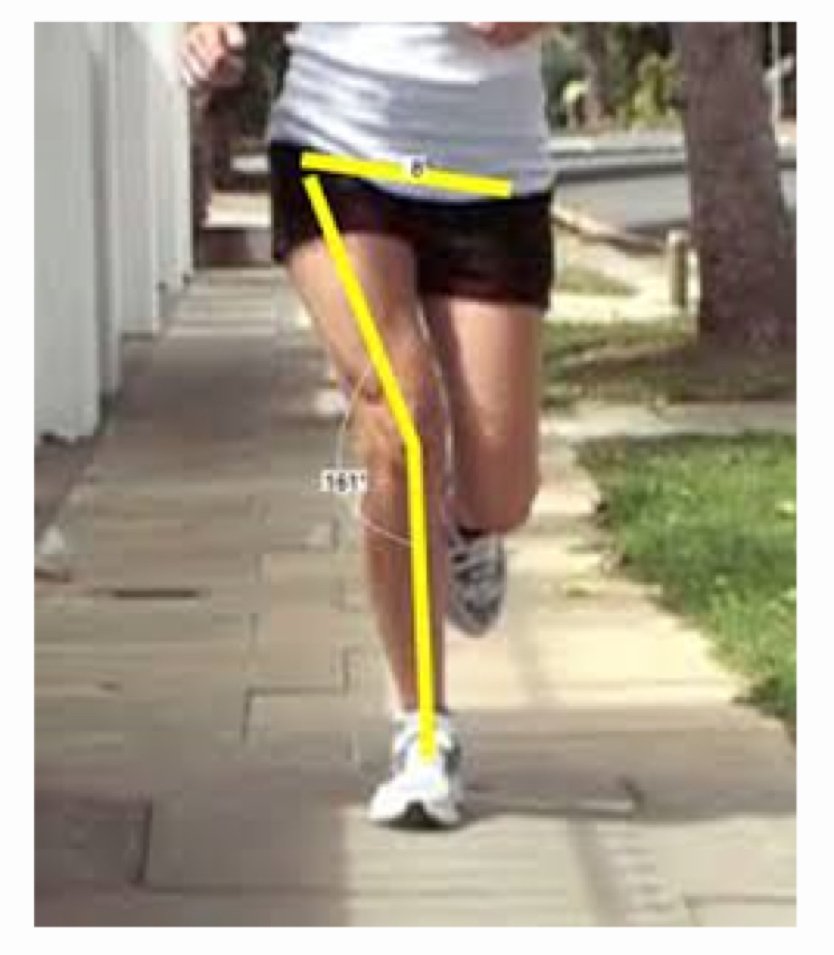
A simple way to check your movement quality is to stand in front of a mirror and perform a few squats, first on both legs, then on one leg at a time.
Watch your knee closely. Does it drift inward? That's a sign your hip muscles need strengthening.
Focus on tracking your knee over your second and third toes as you squat, and incorporate hip strengthening exercises into your routine.

Performing regular lower-body strength training should be done by everyone who wants to keep their knees healthy. This could mean hitting the gym 1-2 times per week and focusing on exercises like squats, deadlifts, leg presses, knee extensions, and hamstring curls.
Regular strength training helps your body better tolerate everyday activities, especially when done with proper movement patterns. Knee pain occurs when life's demands exceed tissue capacity, so the best way to prepare your tissues for life is to strengthen them.
What if you already have knee pain or osteoarthritis?
Strengthening the muscles around the knee—the quadriceps, hamstrings, and calves—can help decrease pain and improve function.
I also highly recommend exercises that involve repetitive motion, like walking, cycling, and swimming.
Inside our knee joints is a watery substance called synovial fluid that lubricates the joint, absorbs shock, and provides nutrition to the cartilage (which receives nutrients solely from synovial fluid since it lacks a blood supply).
Repetitive motion helps make synovial fluid less viscous—think of turning molasses into water—which makes it more effective at dispersing key nutrients to the joint and can reduce knee stiffness and pain.
Exercise is the key to managing knee arthritis. It has been shown to consistently decrease stiffness and pain while increasing strength and function.
When in doubt, seek advice from a movement expert, like a physical therapist, if you've been dealing with nagging pain.
Until next time,
Kevin
✍️ Quote I’m reflecting upon
“There is nothing so certain in our fears that’s not yet more certain in the fact that most of what we dread comes to nothing.”
— Seneca